


Jigsolitaire
4.62.35K Reviews
App Specs
- Version
- 1.1.0
- Updated On
- License
- Free
- Downloads
- 10,000,000+
- Developer
- Gamincat
- Categories
- Puzzle
- Platform
- Android, iOS
Screenshots
 Analysis by AppCompare
I judge a puzzle game by how naturally it fits into an ordinary day: can I play a little without needing to clear my schedule, and does the core idea stay satisfying after the novelty wears off? Jigsolitaire has an appealing premise for that kind of casual session, pairing the familiar logic of solitaire with the visual reward of assembling a picture. It is a free puzzle game from Gamincat, rated for Everyone, and its current version is 1.0.2. The game has a 4.6 average from around 276,000 ratings, with more than 10 million installs, so it has clearly found a sizeable audience. Those figures tell me it is widely tried; the more useful question is whether its particular mix suits the way you like to play.
Finding a comfortable way to play
I find it helpful to make a round feel intentional rather than squeezing it into every spare second: I look for a natural stopping point, then return when I can give the board a little attention. That habit makes it easier to enjoy the shift between card decisions and the developing picture without turning a calm puzzle into rushed tapping.
A simple baseline workflow
The easiest way to approach Jigsolitaire is to treat each round as a small, self-contained puzzle rather than a race. I would begin by looking over the visible pieces and the spaces that need filling, then make the moves that are obvious before spending time on uncertain choices. That little pause helps keep the card logic and the picture-building goal in view at the same time. If a move feels like a guess, it can be worth scanning the board again rather than tapping quickly and hoping the next piece makes everything clear.
This is also the sort of game that works well in short gaps: a quiet few minutes while waiting for someone, a break between tasks, or a wind-down before bed. Its puzzle format gives a session a clear focus, but it does not demand the sustained concentration of a long strategy game. For a practical routine, I would finish a round before putting the phone away; that leaves the next session feeling like a fresh start instead of an attempt to remember an unfinished board.
Settings and habits worth checking
The published version is 1.0.2 and supports Android 7.0 or later. Before settling in, I would check the game’s available settings on the device and adjust only what is actually offered, especially sound. That small check matters if you plan to play in a waiting room or late at night. The original appeal here is a relaxed puzzle rhythm, and choosing a comfortable sound level is more useful than turning a casual session into a hunt for options that may not suit your needs.
I would also make a deliberate choice about hints. They are useful when a board has stopped making sense, but using one at the first moment of doubt can take away the satisfying part of working out a sequence. A good habit is to inspect the remaining spaces, consider whether an earlier placement has limited your options, and only then ask for help. That makes a hint a way through a genuine block rather than a button you tap automatically.
Patterns that make rounds smoother
Because the game combines card placement with a jigsaw image, I find it helpful to keep both kinds of information active. The picture can offer a visual cue about what belongs nearby, while the card arrangement can show which moves are currently practical. When one angle is not helping, switching to the other can reveal a move you had overlooked. This is a repeatable habit, not a shortcut: it keeps the puzzle readable without assuming there is a hidden trick or a special control scheme.
Worth Reading Before You Choose

EA SPORTS FC Mobile 26 Is a Bigger Football Game, but It Takes Time

Flipboard Shows What News Apps Must Do Beyond the Feed

Switching to Android Auto Means Rethinking Your Driving Routine

Google Calendar Makes a Crowded Week Easier to Manage

Ludo King Makes the Most of the Minutes Between Plans

Baby Panda World Brings Quick Play to Modern Phones, but Its Game Library Feels Busy
Theme and background choices are best treated as comfort settings rather than strategy. I would pick a look that makes the pieces easy for me to distinguish, then leave it alone for a few rounds so I can focus on the puzzle itself. If a particular image is harder to read at a glance, a different theme may make play more pleasant, even if it does not change the underlying challenge. The game’s daily challenges can also provide a natural reason to return, though I would approach them as optional variety rather than an obligation to maintain a streak.
Where the format has limits
This hybrid will not be the right fit for everyone. If you want a traditional solitaire game focused purely on card sequences, the picture-assembly layer may feel like an extra distraction. If you prefer a conventional jigsaw with free placement and a large open image, the card-based structure may feel more restrictive than spreading pieces out and sorting them by color or edge. Jigsolitaire sits between those familiar forms, and that middle ground is its identity as much as its limitation.
It is also a better choice for calm, focused play than for someone seeking high-pressure competition or a story-driven game. Hints can ease frustration, but they do not make every puzzle automatically engaging; if you are not enjoying the blend of visual matching and card order, a hint is unlikely to change that. I would skip it if your priority is deep tactical planning, multiplayer competition, or a pure jigsaw experience. For a compact solo puzzle, though, its two-part structure gives the mind more than one way to look at a board.
I recently stumbled upon Jigsolitaire, an intriguing blend of jigsaw puzzles and solitaire, and let me tell you, it's quite the addictive little app. If you're a fan of either genre, this might just be your next favorite game. I gave it a spin on my phone, and here's what I've discovered.
It is worth being clear about what a first session can and cannot tell you. A puzzle may click quickly because the image is familiar or the card arrangement is kind; another may ask for more careful scanning. I would not judge the whole game by one unusually easy or awkward board. Instead, try a few rounds and notice whether you enjoy shifting between the visual picture and the order of the cards. That is the central decision point for a new player, more than the number of themes or the promise of a daily return.
The Gameplay Experience
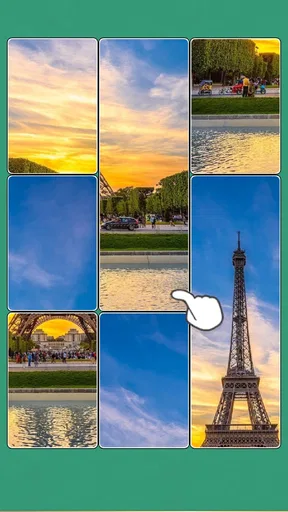
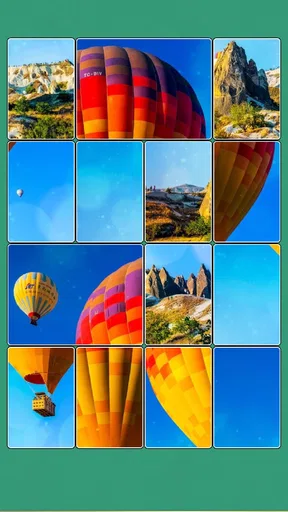
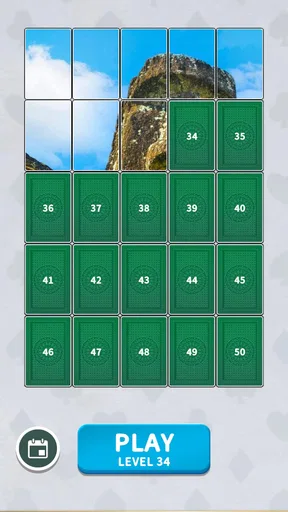
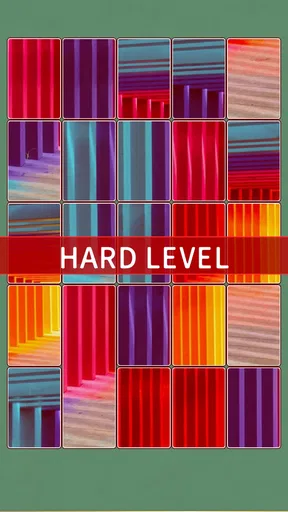
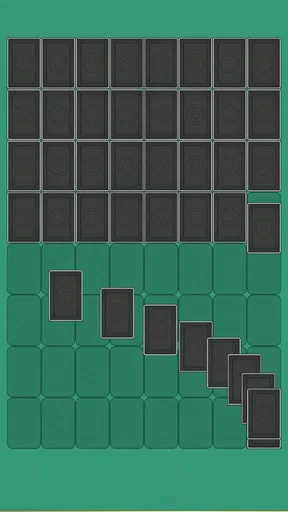
Now, onto the gameplay. It's a clever twist on the classic solitaire format, incorporating elements from jigsaw puzzles. The objective? Complete the puzzle by arranging the cards in the correct order. It’s a refreshing take that provides a unique challenge, combining strategic thinking with the satisfaction of piecing together a puzzle.
The controls are intuitive. Simply drag and drop pieces into place. The game also offers hints if you find yourself stuck, which is a nice touch for those moments when you need a little nudge in the right direction. Plus, the soothing background music adds to the overall relaxing vibe of the game, making it a perfect choice for unwinding after a long day.
In practice, I would use the drag-and-drop controls slowly when a placement matters, especially on a small phone screen. A hurried movement can make it harder to tell whether I have made a deliberate choice or simply acted on the first possibility I noticed. Taking a second to check the intended destination before releasing a piece is a simple way to keep the board legible. If touch controls are not comfortable for you, that is a real consideration: this game depends on moving pieces directly, so it is less suited to someone who strongly prefers button-based input.
For a realistic everyday session, imagine having a few minutes before a bus arrives. I would open a round, make the clear placements, and use the image to check my assumptions rather than trying to complete everything at maximum speed. If the ride begins before I am done, I would pause at a point where I can comfortably return to the board. The format is most enjoyable when I can give it enough attention to see the pattern; playing while distracted by messages or conversation may turn a relaxing puzzle into a sequence of guesswork.
Features to Love
What I really appreciate about Jigsolitaire is its level of customization. You can choose from a variety of themes and backgrounds to personalize your gameplay experience. There’s something quite satisfying about completing a puzzle and seeing a beautiful image come together right before your eyes.
Another standout feature is the daily challenges. These keep the game fresh and provide a reason to return each day. Completing challenges earns you rewards, which can be used to unlock new puzzle packs, adding to the game’s longevity.
The useful way to think about those rewards is as a gradual path to more puzzle content, not a reason to rush through rounds. If I have time for only one game, I would choose the challenge when I want something different from my usual routine; if I am tired, I would rather play at my own pace than turn a relaxing pastime into a daily task. This distinction matters for anyone who dislikes games that make return visits feel compulsory. A daily prompt can be a pleasant nudge, but it should remain an invitation.
Compared with standard solitaire apps, the appeal here is that the visual result gives each decision another layer of meaning. Compared with ordinary jigsaw apps, the card arrangement supplies a more structured route through the image instead of leaving every piece open for free sorting. That makes it a sensible middle choice for someone who enjoys both but wants a single, compact activity. On the other hand, players who already know exactly which half they prefer may be happier with a dedicated solitaire or jigsaw game, where the rules can focus more deeply on that one style.
As with any game designed for repeat sessions, I would pay attention to my own stopping point. It can be easy to start one more round when a puzzle is almost solved, so I find it helpful to decide in advance whether I have time for a full session. That is not a criticism of the game’s content; it is simply a practical way to keep a casual phone game from taking over a short break. If you want something that can be picked up and put down without a long commitment, the self-contained puzzle structure is a good match.
Final Thoughts
All in all, Jigsolitaire is a delightful app that successfully merges two classic games into a cohesive and entertaining experience. Whether you’re a puzzle enthusiast or someone looking to try something new, this app offers a fun and engaging way to pass the time. Just be prepared—it’s surprisingly easy to lose track of time while playing!
So, if you’re ready to challenge your brain and enjoy some relaxing gameplay, give Jigsolitaire a try. You might just find it’s the perfect addition to your collection of apps.
My recommendation is strongest for casual puzzle fans who like seeing a picture take shape but also enjoy having a clear sequence of moves to consider. It is approachable enough to try without committing to a paid purchase, since it is free, and its Everyone age rating makes it broadly accessible. I would not recommend it as a substitute for every kind of puzzle: it is specifically the combination that gives it character, and that combination will either feel pleasantly fresh or less satisfying than choosing one genre on its own.
For anyone still deciding, the most useful test is simple: play a few rounds while paying attention to whether you enjoy the moment when card logic and image recognition work together. If that interplay feels rewarding, the daily challenges and unlockable packs offer reasons to keep returning. If it feels like two systems competing for your attention, there are better-fitting alternatives in pure solitaire or traditional jigsaw games. I find Jigsolitaire best when treated as a gentle, repeatable puzzle habit, not a game that needs to become a daily commitment.
Pros
- Engaging puzzle mechanics.
- Beautifully designed interface.
- Regular updates with new puzzles.
- Intuitive touch controls.
- Offline play available.
Cons
- Limited free levels.
- Occasional in-app ads.
- No multiplayer mode.
- Battery drain on long sessions.
- Some puzzles can be repetitive.
FAQs for Jigsolitaire
What is Jigsolitaire and how does it work?
Jigsolitaire is a unique blend of jigsaw puzzles and solitaire. Players are tasked with solving jigsaw puzzles by arranging pieces in a solitaire-style format. The app offers various levels of difficulty, ensuring an engaging experience for puzzle enthusiasts of all ages. Users simply drag and drop pieces into place, aiming to complete the image as efficiently as possible.
Is Jigsolitaire free to download and play?
Yes, Jigsolitaire is free to download on both Android and iOS platforms. While the basic version is free, there are in-app purchases available. These purchases can unlock additional puzzle packs, remove ads, or provide hints to assist in solving more challenging puzzles. It's a great way to enhance your gameplay experience.
What are the system requirements for Jigsolitaire?
To run Jigsolitaire smoothly, Android users should have at least Android version 5.0 or higher, while iOS users need iOS 11.0 or later. The app is optimized for both smartphones and tablets, ensuring a seamless experience across devices. It's recommended to have a stable internet connection for downloading new puzzles and updates.
Does Jigsolitaire have a multiplayer mode?
Currently, Jigsolitaire does not offer a multiplayer mode. The game is designed as a single-player experience, focusing on individual puzzle-solving skills. However, players can share their completed puzzles and achievements with friends through social media integration, fostering a sense of community and friendly competition.
What accessibility features does Jigsolitaire offer?
Jigsolitaire includes several accessibility features to enhance user experience. These features include adjustable piece sizes for easier handling, a colorblind mode, and customizable backgrounds to reduce eye strain. The app's user interface is designed to be intuitive, making it accessible for players of all abilities.


